
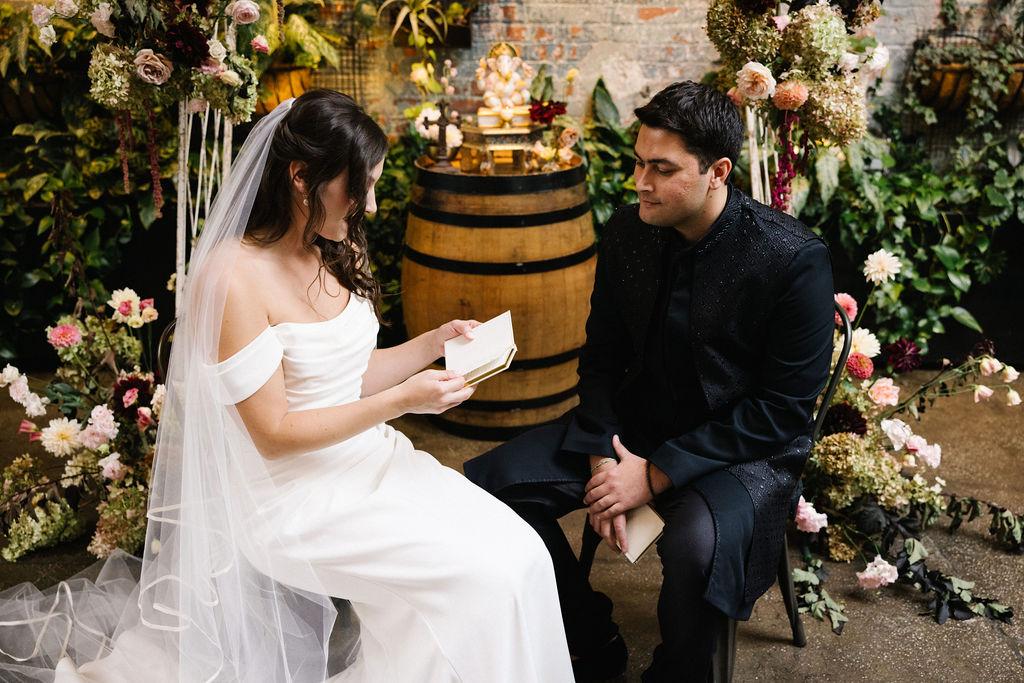
Early in my journey as an officiant and vow coach, I recognized a recurring phenomenon — couples who wanted to honor their heritage on their wedding day, but struggled to blend their cultures in a way that felt balanced, respectful, and meaningful. As a U.S.-based multilingual global traveler with roots in Brussels, Belgium, I am quite well-versed in the enriching process of cultural exchange. I understand the importance of sharing traditions and customs with an emphasis on growth and appreciation, of creating a program that is cohesive even as it transcends the boundaries of social identity. Most of all, I know how impactful it is to honor the cultures brought together by you and your partner’s love. Whether it be a Malaysian tea ceremony held to honor one’s elders or a Hindu Mehendi ceremony where henna body art is applied to the bride’s hands and feet, there is something tremendously fulfilling about incorporating your heritage into this once-in-a-lifetime celebration.
Read on to learn about the importance of thoughtful language use in multicultural settings, guest education + inclusion, striking the right balance between each individual’s cultural background, and more!
Language
In my role as a vow writing coach and ceremony planner, language is always at the forefront of my mind. I’m constantly thinking about how to make each word feel intentional, accessible, and powerful — regardless of the language it might be delivered in. To ensure equal emotional impact for guests of all cultural and linguistic backgrounds, I often encourage couples to provide printed programs with fully translated versions of the order of events and any readings included in their ceremony. Depending on how varied the linguistic identities of your guests are, you might even choose to enlist one bilingual officiant or two monolingual officiants to deliver programs tailored to the language and values of each culture.

Guest Education & Inclusion
As I’m sure is clear, a multicultural wedding ceremony celebrates far more than the joining of two individuals — it celebrates the blending of families, beliefs, customs, and histories. It is important to recognize any gaps in your guests’ knowledge about the cultures being joined, and to communicate the significance of any traditions and rituals you choose to include. For example, a Bengali-American couple might have their officiant deliver a brief explanation of the mala badal (a ceremonial exchange of decorative garlands) to ensure their American guests not only understand the importance of the ritual, but feel included in it. Some traditions, like an Arab folk dance called the dabkeh, are particularly well-suited for guest participation — after the professional dancers demonstrate the moves, guests are encouraged to form a circle and join in!
Balanced Blending
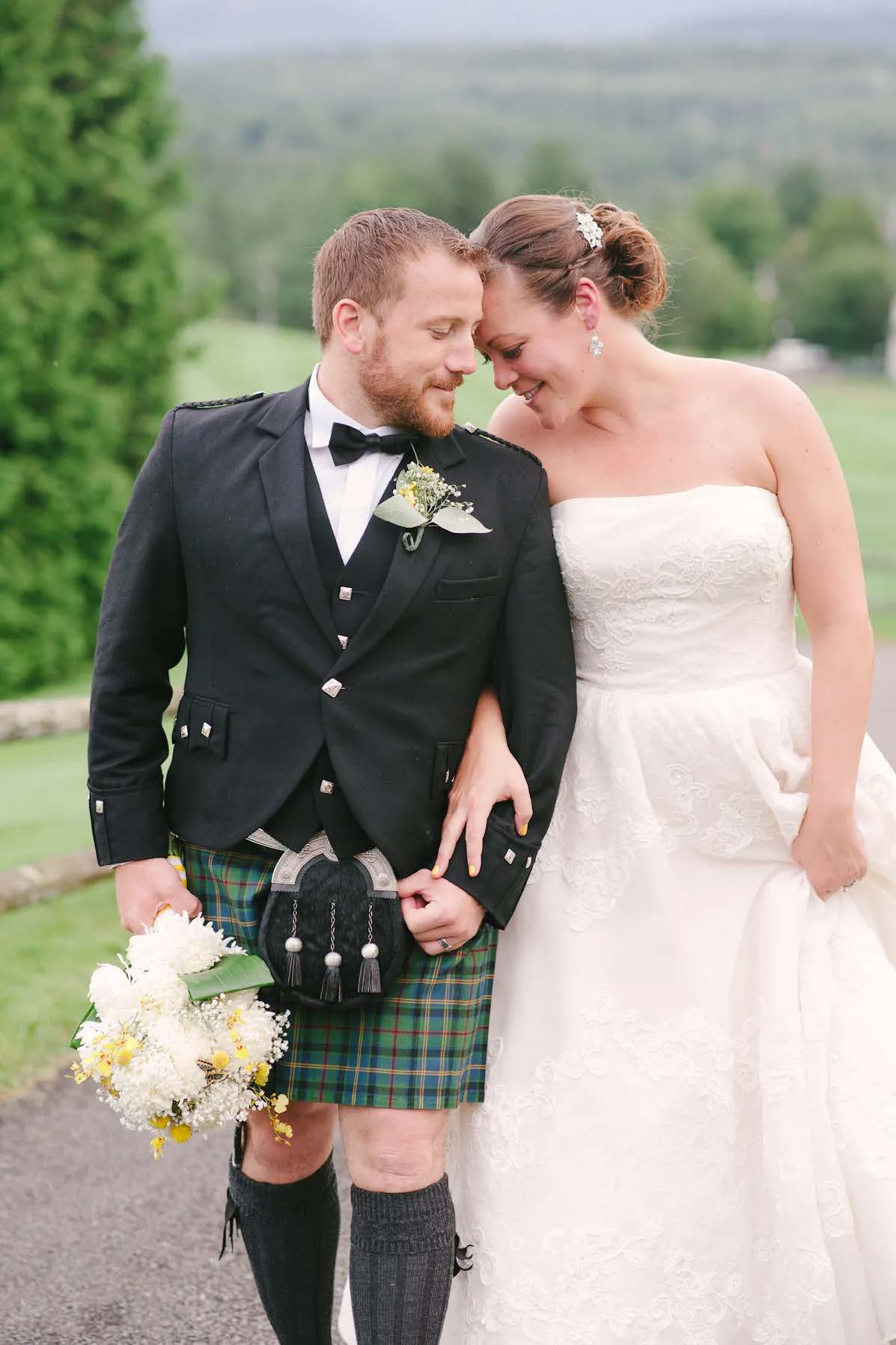
Oftentimes, a couple will choose to incorporate elements from each of their individual cultural backgrounds into their wedding day. I always suggest that these couples begin with an open dialogue early in the planning process about what each culture values. Consider, also, asking your parents and other family members which cultural traditions they included in their wedding celebrations. To make sure that both sides feel seen and honored, I encourage alternating between elements from each culture. Remember — by demonstrating respect for and an eagerness to learn about your partner’s culture, you lay the foundation for them (and your guests) to do the same.
Of course, if the task of blending your two cultures feels too great for one day of celebration, a sequel wedding is always an option. Sequel weddings are particularly fitting for couples who hail from cultures with extensively-structured, multi-day wedding rituals. Rather than trying to include all of the Indian and Catholic customs in a single celebration, for example, a couple might tie the knot with a small traditional Catholic ceremony in the United States before hosting a larger wedding in India.

I will conclude with a single, necessary truth — when it comes to crafting multicultural wedding ceremonies, there is no universal formula, no one-size-fits-all solution. After all, every couple, family, and culture is different. Only by prioritizing the intentional sharing of traditions and customs between your two cultures will you and your partner achieve a balanced ceremony that both honors your unique identities and affirms their union.


@thevowwhisperer
Crafting Heartfelt Words Into Unforgettable Memories
Serving in Destinations Around the World
Crafting Heartfelt Words
Into Unforgettable Memories
Serving in Destinations Around the World