
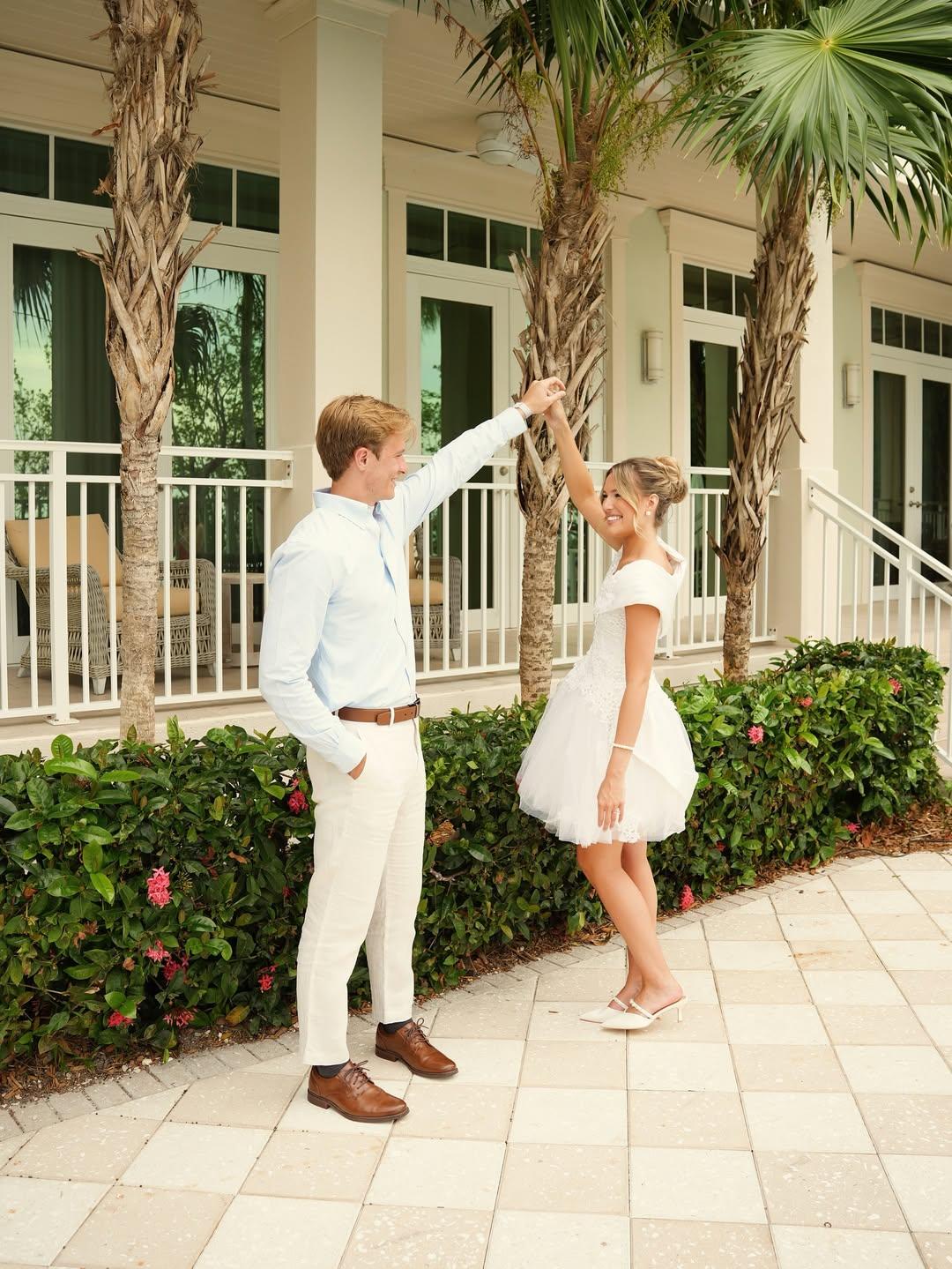
When it comes to preparing for your wedding ceremony, I consider myself something of an expert. If there is one thing I learned from my days as a stage, film, and television actress, it is this — practice really does make perfect. And for an occasion as deeply meaningful as your wedding day, the same sentiment certainly applies. For all of my most tried-and-true wedding rehearsal tips, honed over my six years as a vow coach and international officiant, read on!
The When & The Where
A few key factors to consider as you plan your wedding rehearsal are, of course, location and time. Some couples opt to hold their rehearsal 1-2 days before their wedding day during the late afternoon/early evening, while others will choose to hold their rehearsal on the day-of just before their ceremony. Ideally, your rehearsal will take place at your ceremony location to ensure complete comfort for you, your partner, your officiant, and your wedding party. Some venues, such as the New York Public Library, require such meticulous moment-to-moment choreography that hosting your rehearsal elsewhere can be risky.
One common misconception is that your wedding rehearsal is a word-for-word run-through of your full ceremony program — this is definitely not the case! The most effective wedding rehearsals actually only last around 15 minutes, allowing time for 1-2 complete practice runs from processional to recessional while omitting the ceremony’s actual content. You want to be sure that all parties involved are on the same page regarding the order of events, but avoid getting lost in the details.
The Who & The What
The most important players at your wedding rehearsal — aside from yourself and your partner — will include your officiant, the members of your wedding party, your escort(s), and your flower girls/ring bearers. The adult guardians of any young wedding party members will of course also be in attendance.
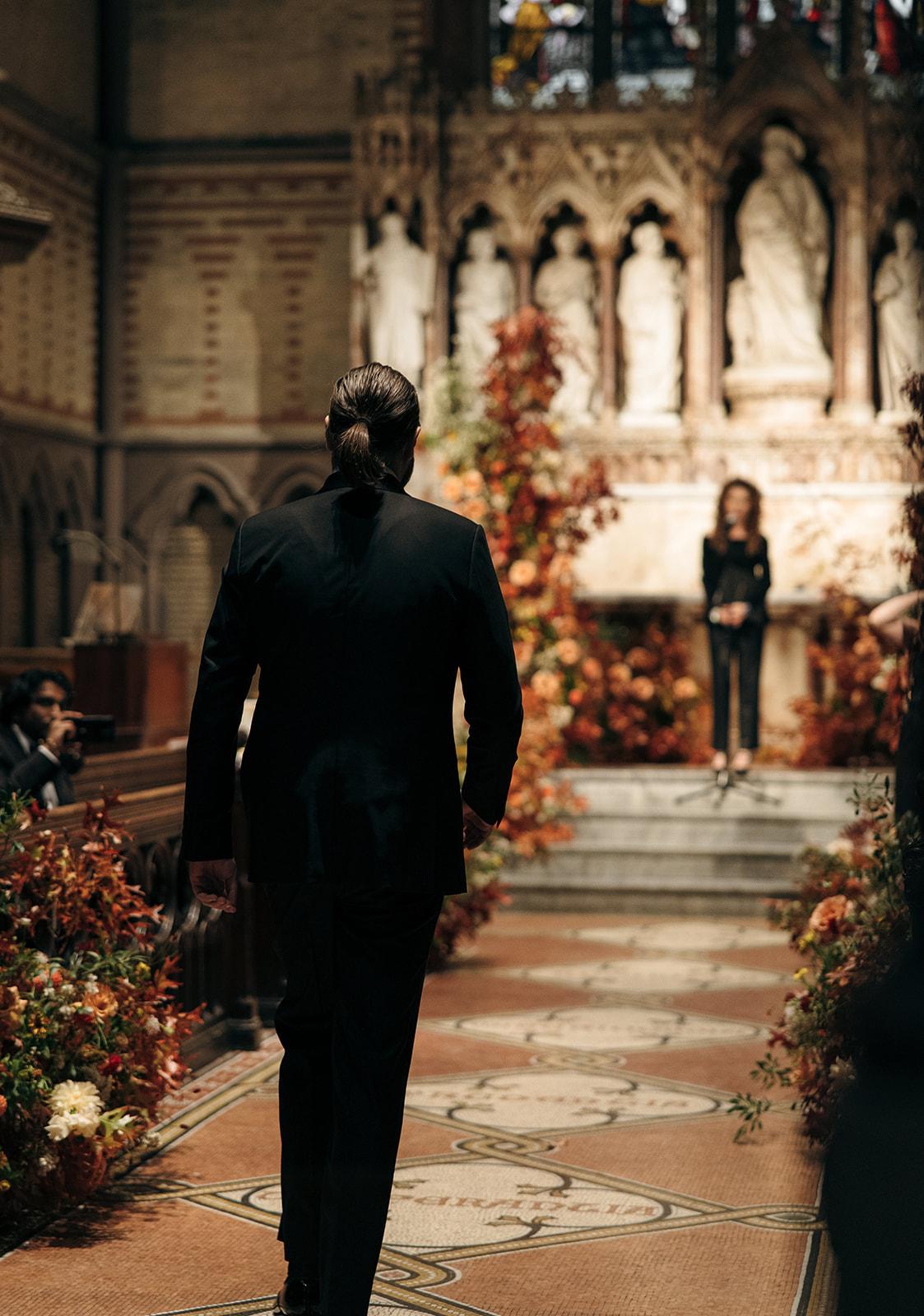
I recommend that you begin with the processional, having all parties line up to enter beginning with the officiant, groom, and groomsmen. Other family escorts, typically the groom’s parents and the Mother of the Bride, will follow. The bridesmaids and flower girls will come next, all leaving equal amounts of following distance and prioritizing visual symmetry. As you rehearse, focus primarily on nailing down the timing — make sure there is enough space between each pair for the photographer to snap a few shots without leaving long, awkward gaps. It is often helpful, especially for younger wedding party members, to use the tempo of the processional music as a “cue” for when to begin walking. After a short interlude, the bride and her escort (typically her father) will enter.
Next will come the handoff. The escort will simulate congratulating the couple, often with a hug for the bride and a handshake for the groom, before taking their seat in the front row. The bride will then pass her bouquet to the closest member of her wedding party (almost always the Maid of Honor) and clasp hands with the groom in front of the officiant.
You will then practice the recessional, with you and your partner exiting first followed by members from each wedding party in pairs, flower girls/ring bearers in pairs, and each set of parents. The officiant will almost always be the last person standing at the altar.
From there, you’ll repeat until the basic timing is set in stone and all parties feel comfortable with their role. It’s important to remember that the complexity and length of a wedding rehearsal is entirely dependent on the size of your wedding party; the more people participating, the longer it will take and the more involved it will be. In recent years, however, wedding parties have been getting smaller and smaller, leading some couples to omit the rehearsal altogether. What matters most is that everyone present feels 100% prepared!
A bonus tip: After everything has been squared away with the rehearsal itself, this can be a great time to check in with your officiant about your marriage license and any other day-of paperwork.
The Why
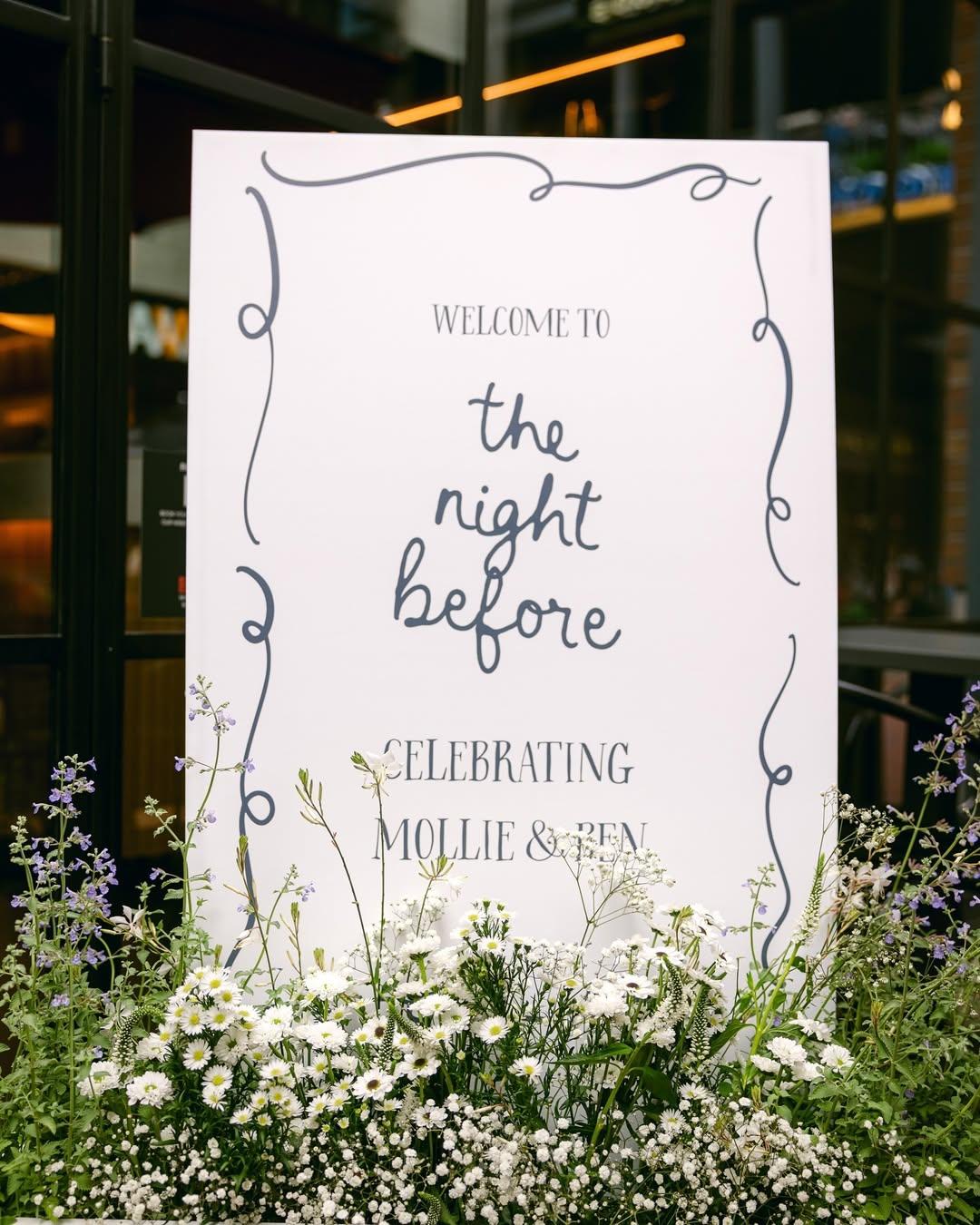
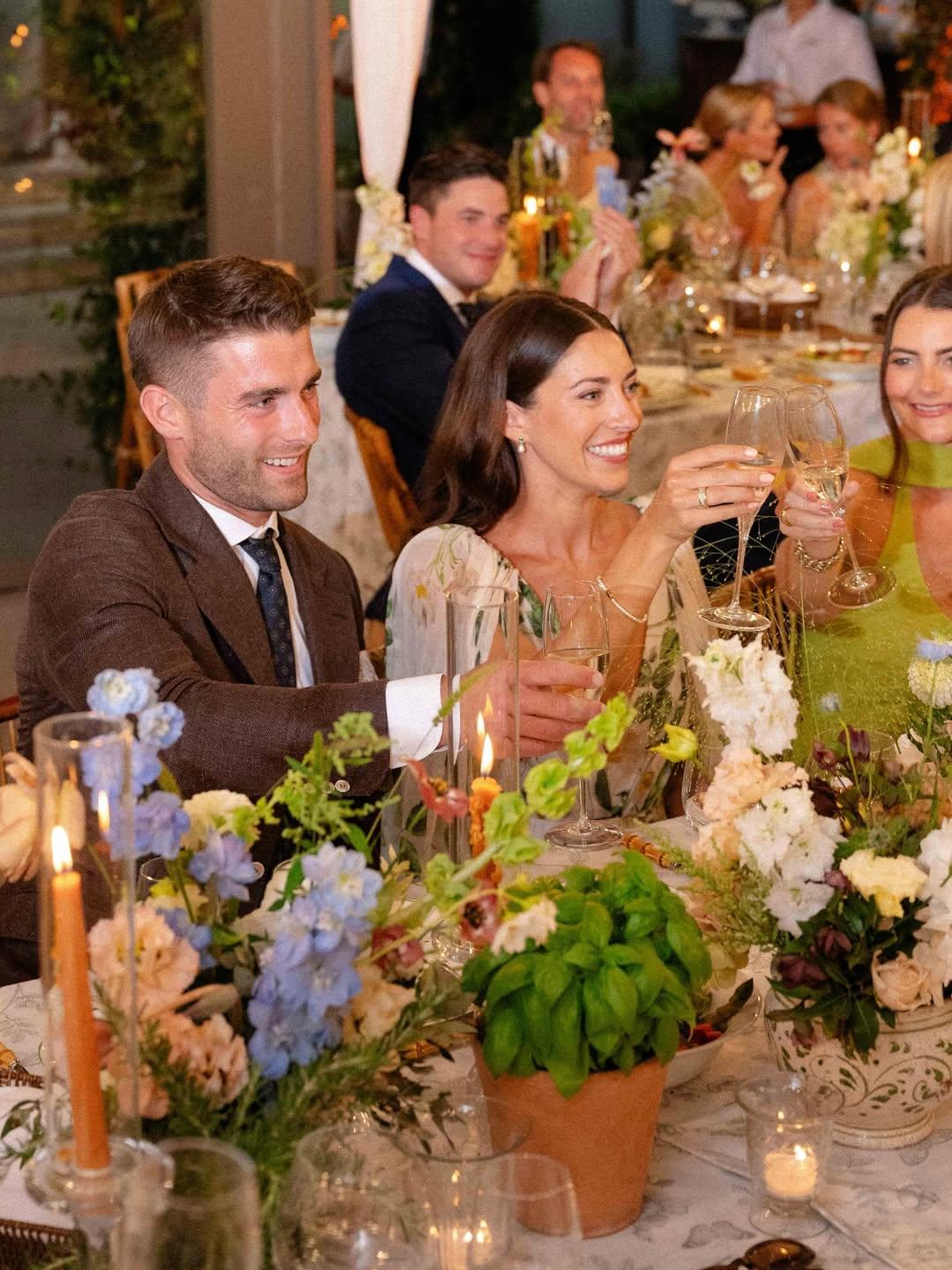
Of course, the main goal of a wedding rehearsal is just that: to rehearse. Oftentimes, though, the wedding rehearsal is followed by a rehearsal dinner to celebrate your approaching nuptials with the guests closest to you. Rehearsal dinners are typically more intimate affairs, filled with good food, expressions of gratitude, and much excitement. Nerves are almost always inevitable on your big day, but celebrating beforehand with those who have committed to joining you for this once-in-a-lifetime occasion is one surefire way to quell that anxiety.


@thevowwhisperer
Crafting Heartfelt Words Into Unforgettable Memories
Serving in Destinations Around the World
Crafting Heartfelt Words
Into Unforgettable Memories
Serving in Destinations Around the World